Menorca’s patron saint festivals make up one of the most distinctive festive calendars in the Mediterranean. In summer, the island transforms: packed squares, traditional music, religious ceremonies and, above all, the constant presence of the Menorcan horse, the unmistakable symbol of these celebrations.
Although each town celebrates in its own way, they all share the same spirit. Riders move through the streets following a very defined ceremonial order, alternating solemn moments with collective celebration—especially during the jaleos, when the festival reaches its most intense point.
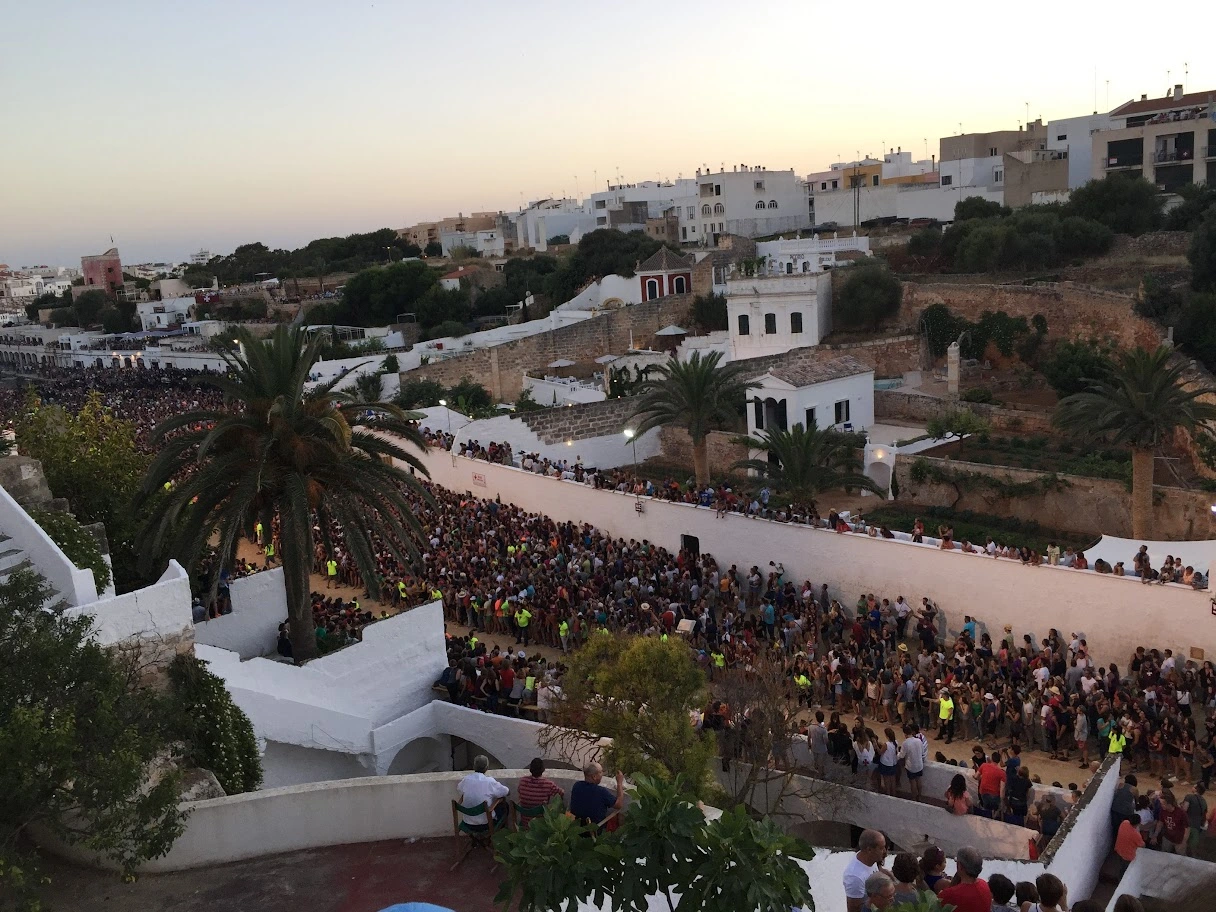
The festive cycle begins in June in Ciutadella and runs until September, when Maó bids farewell to summer with its patron saint festivities.
What Menorca’s festivals have in common
In every festival you’ll see the caixers and cavallers, dressed in the traditional black-and-white outfit. They ride horses—mostly of the Menorcan breed—that parade in procession along the town’s main streets.
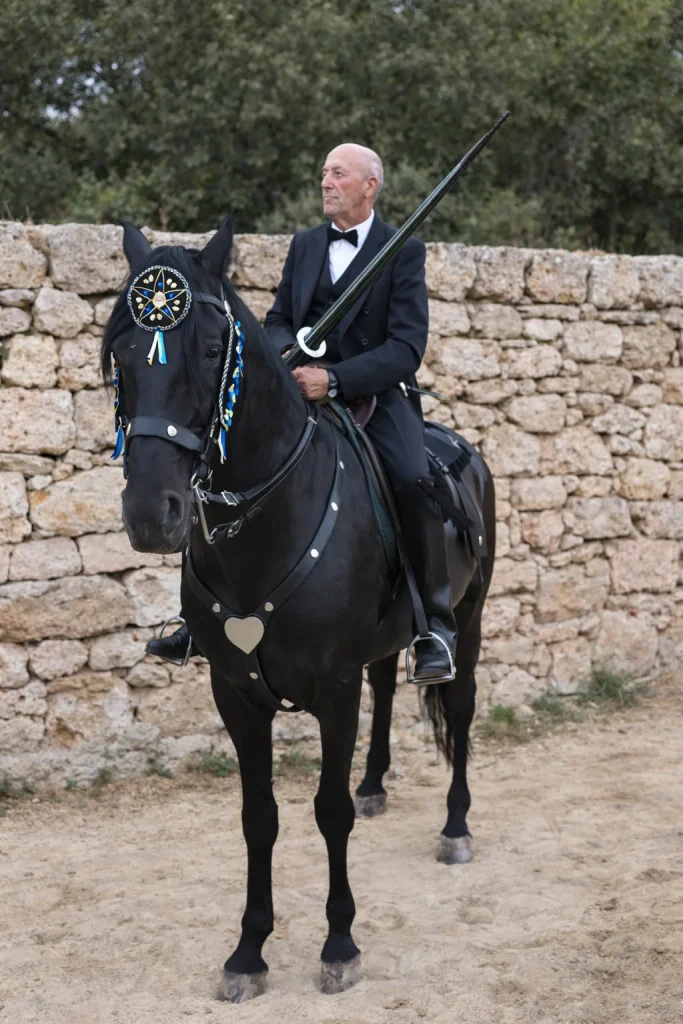
Events follow very precise rules, combining religious celebrations, official routes and the eagerly awaited jaleos—moments when the crowd and riders share the heart of the festival. This mix of respect, tradition and participation is what makes Menorca’s festivals unique.
Menorca’s patron saint festival calendar
Sant Joan – Ciutadella
Dates: June 23–24, plus the previous Sunday (known as Dia des Be)
These celebrations mark the start of the island’s festive summer and are the most famous. Their ceremonial tradition is the oldest and most structured of all the towns.
Sant Martí – Es Mercadal
Dates: third weekend of July
Deeply rooted local celebrations with a friendly atmosphere and very active participation from residents.
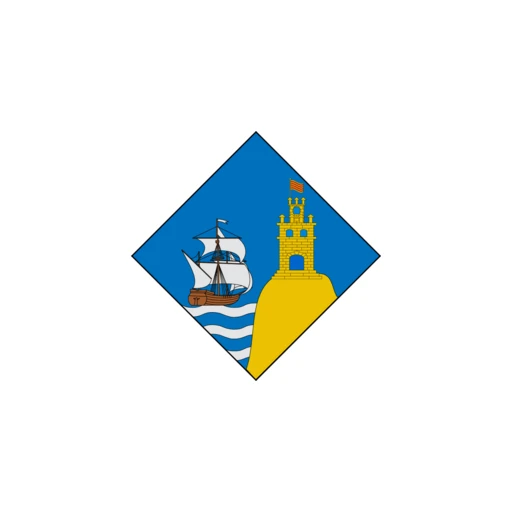
Sant Antoni – Fornells
Dates: fourth weekend of July
Seafaring-style festivities closely tied to the village’s relaxed rhythm, with a very pleasant festive atmosphere.
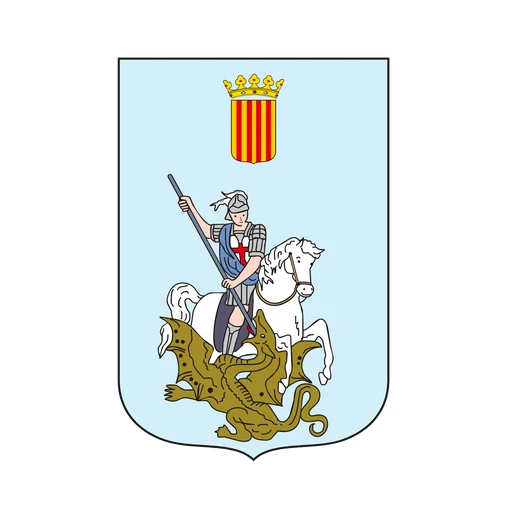
Sant Jaume – Es Castell
Dates: July 24–25
One of the liveliest towns in summer, with festivities that make the most of its privileged seaside setting.
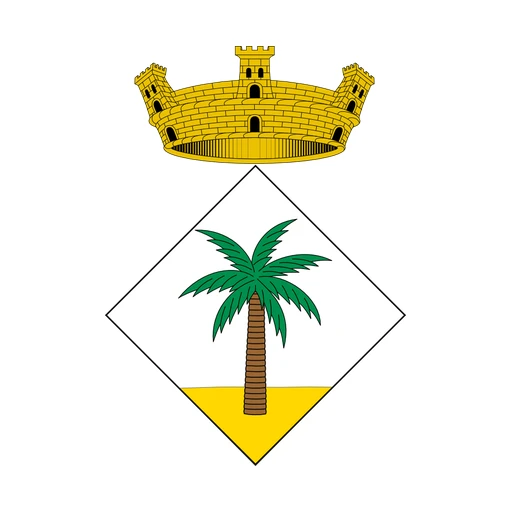
Sant Cristòfol – Es Migjorn Gran
Dates: fifth weekend of July or first weekend of August
Simple, very authentic festivities—ideal if you prefer less crowded celebrations.
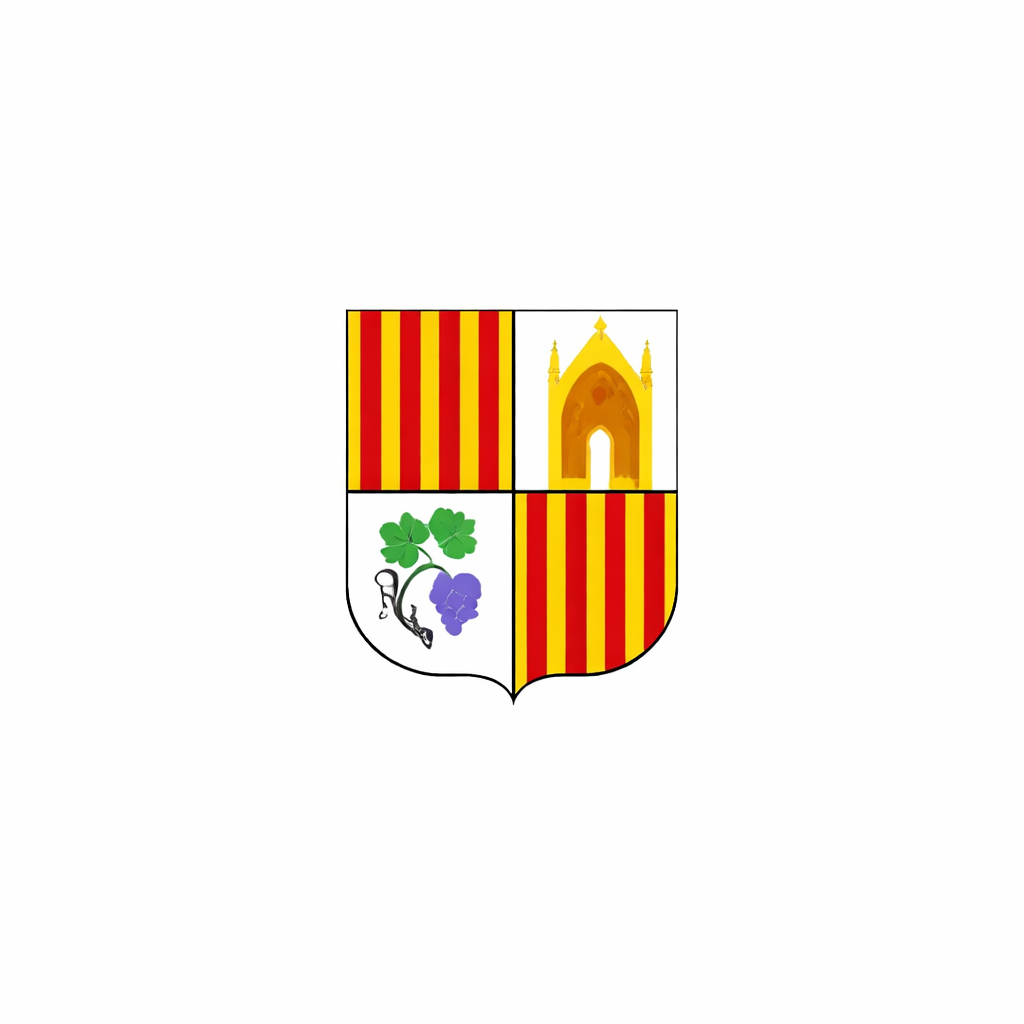
Sant Gaietà – Llucmaçanes
Dates: first weekend of August
Traditional celebrations in one of Menorca’s smallest villages, with a very family-friendly atmosphere.
Sant Llorenç – Alaior
Dates: the weekend after August 10
Highly participatory festivities with a broad program combining tradition, music and cultural activities.
Sant Climent – Sant Climent
Dates: third weekend of August
Much-loved celebrations among Menorcans, with intense jaleos and a great popular atmosphere.
Sant Bartomeu – Ferreries
Dates: August 23–24
Festivities with a strong local identity, where tradition blends with concerts and festive events.
Sant Lluís – Sant Lluís
Dates: fourth weekend of August
Well-balanced festivities for all audiences, very well organized.
Mare de Déu de Gràcia – Maó
Dates: September 7–8
These festivities close the summer calendar and turn the capital into a major meeting point.
Quick calendar summary
- June: Ciutadella (Sant Joan)
- July: Es Mercadal, Fornells, Es Castell, Es Migjorn Gran
- August: Llucmaçanes, Alaior, Sant Climent, Ferreries, Sant Lluís
- September: Maó (Mare de Déu de Gràcia)
Tips to enjoy the festivals
- Always respect the space of the horses and riders
- Avoid the most crowded areas if you’re not familiar with how the jaleo unfolds
- Wear comfortable footwear and stay hydrated
- Plan transport in advance, especially for the biggest festivals
Conclusion
Menorca’s festival calendar is a unique opportunity to experience the island from the inside. Beyond the beaches, these celebrations reveal Menorcan cultural identity, their bond with the horse, and a way of celebrating rooted in tradition and respect.